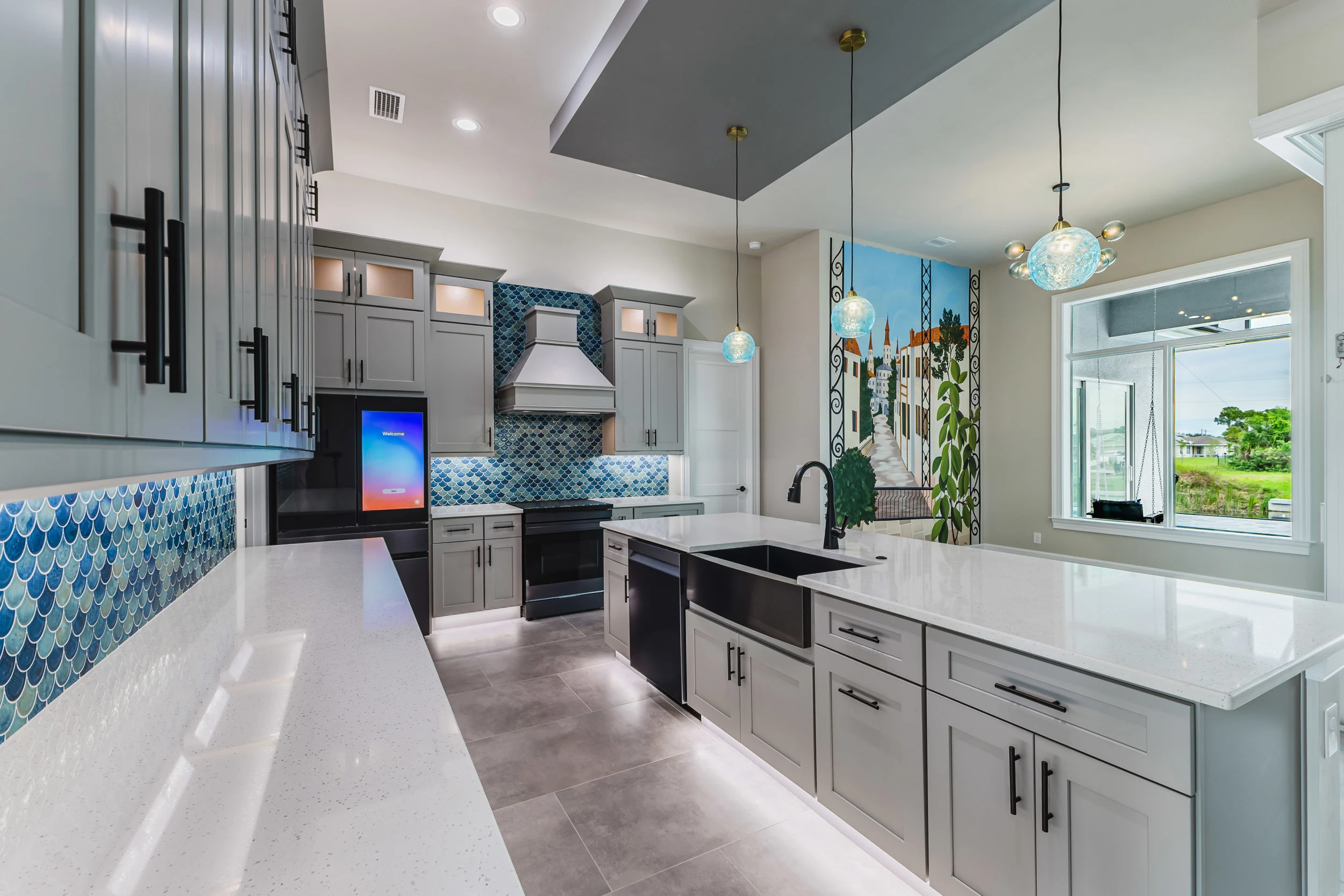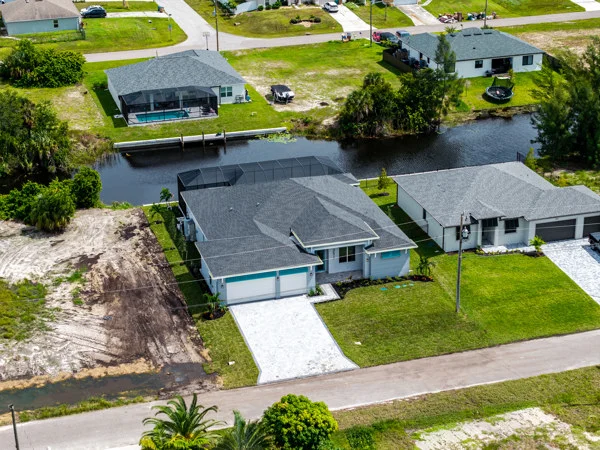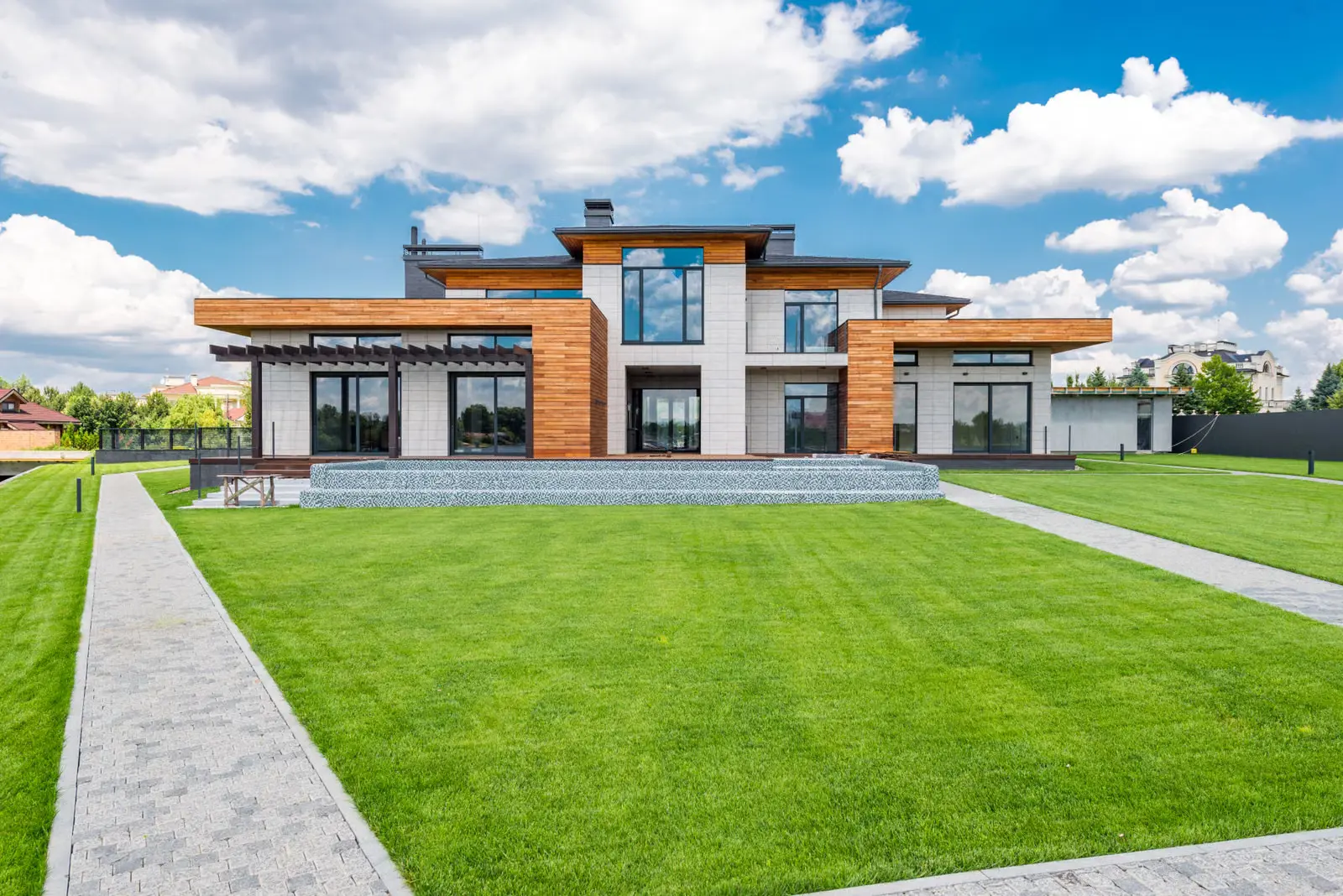
Have you found the perfect piece of land in Florida and started thinking about building your dream home? Building on land you already own gives you more control over your home’s design, layout, and location. You can create a space that fits your lifestyle instead of choosing a home designed for someone else.
However, owning land does not always mean it is ready for construction. Before you build on your lot in Florida, you need to understand the property’s zoning, site conditions, utility access, building requirements, and overall costs.
If you are planning to build in Cape Coral, Naples, Fort Myers, Punta Gorda, or another Southwest Florida community, proper planning can help you avoid costly delays and make better decisions from the start.
This guide explains the main steps involved in building a custom home on your own lot in Southwest Florida.
Can You Build a Custom Home on Your Own Lot in Florida?
Yes. You can build a custom home on land you already own, as long as the property meets local requirements for residential construction.
This is often called a build-on-your-lot project. You provide the land, and a custom home builder helps plan and construct a home that works with the property.
The process gives you several advantages:
More control over the design: Choose a layout, room sizes, and features that match your needs.
A home that fits your property: Plan around the shape, size, and location of your lot.
More personal choices: Select finishes, materials, and features based on your preferences.
A location you already know: Build in a neighborhood or community you have chosen.
Long-term value: Create a home that suits your lifestyle and future plans.
Before moving forward, make sure the land can support the type of home you want to build. If you are still looking for property, read our guide on how to buy land in Florida to understand some important factors to consider before purchasing.
Step 1: Check If Your Land Is Ready for Construction
The first step is to understand your property’s condition and building potential.
Not every vacant lot is ready for a new home. Some properties may have restrictions, drainage concerns, access issues, or utility limitations.
Here are some important things to review.
Check the Property’s Zoning
Zoning rules control how land can be used. They may affect the type of home you can build, the size of the structure, and where it can sit on the property.
Before designing your home, check:
Whether residential construction is allowed
Minimum lot size requirements
Building height restrictions
Front, side, and rear setbacks
Maximum lot coverage
Any local development restrictions
You should also review deed restrictions and homeowners association rules, if they apply to your property.
These rules can affect your home design, even when the property is zoned for residential use.
Review the Lot Survey
A current property survey helps show the exact boundaries and features of your land.
It can identify:
Property lines
Easements
Existing structures
Access points
Required setbacks
Other features that may affect construction
A survey helps your builder and design team understand how much of the property is available for your home.
Check Flood Zones and Elevation
Flood zones are an important part of building in Southwest Florida.
Some properties may require additional planning based on their flood zone, base flood elevation, and local building requirements.
Before finalizing your home design, review the property’s flood information and elevation. These details may affect the home’s finished floor height, foundation planning, drainage, and construction budget.
For waterfront and coastal properties, it is especially important to review site conditions early.
Step 2: Understand Soil, Drainage, and Site Conditions
The land beneath your future home matters just as much as the home design.
Soil conditions can affect foundation planning and other construction decisions. Your builder may recommend a soil evaluation or geotechnical testing to better understand the property.
Drainage is another important factor.
Southwest Florida receives heavy rainfall, so the property must be planned to manage water properly. Poor drainage can create problems around the foundation, yard, driveway, and nearby properties.
Your site review may include:
Soil conditions
Existing ground elevation
Water drainage patterns
Groundwater conditions
Tree and vegetation restrictions
Access for construction equipment
If your property needs additional site preparation, it is better to identify that early. These costs can affect your overall building budget.
Foundation planning is also important. Learn more about the role of concrete in Florida home construction and why the foundation is an important part of a home’s structure.
Step 3: Plan Your Custom Home Design
Once you understand the property’s limitations and opportunities, you can begin planning your home.
One of the biggest benefits of building on your own lot is the ability to create a design around your needs.
Start by thinking about how you want to use the space.
Choose a Layout That Fits Your Lifestyle
Consider the number of bedrooms and bathrooms, kitchen layout, living areas, storage, and outdoor spaces.
For example, a family may need extra bedrooms and an open living area. Someone planning to retire in Southwest Florida may prefer a single-story layout with easy access throughout the home.
Your design should also consider how you use your outdoor space.
Popular features in Southwest Florida homes include:
Open floor plans
Large windows
Covered lanais
Outdoor kitchens
Swimming pools
Spacious primary suites
Home offices
Three-car garages
The right features depend on your budget, property, and personal preferences.
Choose Between an Existing Floor Plan and a Custom Design
You do not always need to start with a completely new design.
An existing floor plan can provide a useful starting point. Depending on your property and project, certain layouts and features may be adjusted to better fit your needs.
You can explore the available custom home floor plans to see different layout options.
A fully custom design gives you more flexibility to plan the home around your vision and land.
The important thing is to make sure the design works with the lot. A floor plan that looks great on paper may need changes to meet setbacks, elevation requirements, or other site conditions.
Step 4: Understand Florida Building Permits and Local Requirements
Before construction begins, the required plans and permits must be reviewed by the appropriate local authorities.
Florida has statewide building standards, but local requirements can vary by county and municipality.
Depending on the property and project, the permit process may involve:
Building plans and construction drawings
Property survey and site plan
Zoning and setback review
Flood zone and elevation information
Drainage plans
Utility approvals
Septic or sewer requirements
Product approval documents
The exact documents depend on the property and local permitting office.
Do not assume that a permit process in Cape Coral will be identical to one in Naples or Punta Gorda. Each local authority may have its own application steps and review requirements.
Working with an experienced custom home builder can help you understand what is needed before submitting your plans.
Step 5: Plan Your Custom Home Construction Budget
Your building budget should include more than the cost of the house itself.
When you build on your own lot in Florida, several costs may affect the final project price.
These can include:
| Cost Area | What It May Include |
|---|---|
| Land preparation | Clearing, grading, and site work |
| Soil and surveys | Property survey and soil testing |
| Foundation | Foundation design and construction |
| Utilities | Water, sewer, electricity, and connections |
| Permits | Building permits and required approvals |
| Home construction | Materials, labor, and structural work |
| Interior finishes | Cabinets, flooring, fixtures, and countertops |
| Outdoor features | Pool, lanai, driveway, and landscaping |
Not every property will need the same work.
For example, a lot with existing utility connections may have different preparation costs than a property that needs additional infrastructure. A waterfront lot may also involve different site and elevation considerations.
Ask your builder to review the property before you set a final budget. This can help you understand the full scope of the project.
For a closer look at construction expenses, read our guide on how much it costs to build a custom home in Cape Coral.
You can also review custom home mortgage rates in Southwest Florida to learn more about financing considerations.
Step 6: Choose the Right Custom Home Builder
Choosing a builder is one of the most important decisions when building on your own land.
Your builder should understand the construction process and the local conditions that can affect a home in Southwest Florida.
Before making a decision, consider the following:
Experience With Custom Home Construction
Ask about the builder’s experience with custom homes and projects similar to yours.
A builder who understands your type of property can help identify design and construction considerations early.
You can also read our guide on how to choose a home builder in Cape Coral for more points to consider.
Licensing and Insurance
Confirm that the builder holds the required Florida contractor license. You should also ask about insurance and how subcontractors are managed.
Clear Communication
Building a home involves many decisions. Your builder should explain each stage, provide updates, and keep you informed about important changes.
Construction Process and Warranty
Ask how the builder manages construction, inspections, and quality checks. Review the warranty terms so you understand what is covered after completion.
Local Knowledge
Southwest Florida has specific building considerations, including heavy rain, strong winds, flood zones, and coastal conditions.
Your builder should understand how these factors can influence design, materials, and construction planning. You can learn more about designing homes to withstand Florida’s weather and the importance of planning for local conditions.
Step 7: Begin Construction and Follow the Building Process
Once the plans are approved and the required permits are issued, construction can begin.
The exact order and timeline will depend on the project, but a typical custom home build may include these stages:
Site preparation: The property is prepared for construction.
Foundation work: The foundation is built according to the approved plans.
Framing: The home’s structural frame takes shape.
Roofing and exterior work: Roofing, windows, doors, and exterior components are installed.
Plumbing and electrical: Essential systems are installed.
Interior construction: Insulation, drywall, flooring, cabinets, and finishes are completed.
Final inspections: Required inspections are completed before occupancy.
Final walkthrough: You review the completed home with your builder.
Regular communication during construction helps you understand progress and address questions as they arise.
Your builder should also explain any changes that may affect the project schedule or budget.
For more details, explore our guide to the custom home building process in Naples, Florida.
Common Challenges When Building on Your Own Lot in Florida
Building on your own land can offer flexibility, but it also comes with challenges.
Knowing what to look for can help you prepare.
Unexpected Site Preparation Costs
Some lots need clearing, grading, drainage improvements, or other preparation before construction can begin.
A proper site review can help identify these needs early.
Zoning and Setback Restrictions
Your preferred home design may not fit the property’s zoning rules or setback requirements.
Reviewing these restrictions before finalizing the design can prevent unnecessary changes.
Flood Zone Requirements
Properties in certain flood zones may require additional elevation planning and documentation.
Check the flood information before making major design decisions.
Utility Access
Some properties may not have direct access to public water, sewer, or other utilities.
Find out what services are available and whether additional connections or approvals are needed.
Delays During Permitting
Permit reviews can take time. Incomplete documents, design changes, or additional review requirements may affect the schedule.
Working with a builder who understands the local process can help keep the project organized.
Building in Southwest Florida Communities
The location of your lot can influence your home’s design, site preparation, and construction requirements.
Conquest Builders serves several communities across Southwest Florida. If you already own land in one of these areas, explore the relevant location page to learn more about the company’s custom home building services.
Review the local information that applies to your property before deciding on a home design or construction plan.
Why Build Your Custom Home With Conquest Builders?
Building on your own lot should start with a clear plan and a builder who understands your goals.
Conquest Builders Corp. designs and builds custom homes in Cape Coral and throughout Southwest Florida.
Whether you already have a floor plan or want to create a completely custom design, the process can be shaped around your property and lifestyle.
The first step is to discuss your property, your plans, and what you want to build.
Frequently Asked Questions About Building on Your Own Lot in Florida
Can I build a house on land I already own in Florida?
Yes. You can build a home on land you already own if the property meets local zoning, building, and development requirements. A site review can help determine whether the lot is suitable for your planned home.
How do I know if my land is buildable?
Start by checking the zoning, property survey, setbacks, flood zone, elevation, soil conditions, and utility access. A qualified builder and the appropriate local authorities can help review the property’s building potential.
Do I need a building permit to build a house on my own land in Florida?
Yes. New home construction generally requires a building permit from the appropriate local authority before work begins. Additional approvals may also be required based on the property and project.
Can I choose my own floor plan when building on my lot?
Yes. You can discuss an existing floor plan or a fully custom design with your builder. The final design must fit the property and meet applicable building and zoning requirements.
Is building on your own lot cheaper than buying a new home?
Not always. The total cost depends on land preparation, utilities, permits, home design, materials, labor, and other project requirements. Building on your own lot gives you more control over the design, but the property may have additional costs.
How long does it take to build a custom home in Southwest Florida?
The timeline depends on the home’s size, design, permitting, site conditions, material availability, and construction requirements. Your builder can provide a more specific estimate as the project plans develop.
Can Conquest Builders build on my lot in Southwest Florida?
Conquest Builders serves homeowners across Southwest Florida. If you own land and are considering a custom home, you can contact the team to discuss your property and project.
Ready to Build on Your Lot in Southwest Florida?
You have already found the land. Now it is time to plan a home that makes the most of it.
Whether you own a lot in Cape Coral, Naples, Punta Gorda, or another Southwest Florida community, Conquest Builders can help you explore your options and plan your custom home.
Contact Conquest Builders to discuss your property and take the first step toward building your new home.
Buying land in Florida is the first major step toward building a home that fits your lifestyle, needs, and long-term plans. However, finding the right property involves more than choosing a location and agreeing on a price. Before purchasing vacant land, you need to understand the property’s flood zone, elevation, zoning restrictions, utility connections, drainage conditions, and construction requirements.
At Conquest Builders Corp., we understand how important the land selection process is to a successful custom home project. The property you choose affects everything from foundation design and site preparation to the layout and overall construction budget.
Cape Coral is one of Southwest Florida’s popular destinations for custom home construction, offering residential neighborhoods, waterfront properties, and an extensive canal system. However, not every vacant lot is equally suitable for building.
Whether you are buying vacant land in Florida for the first time or already own a property and are planning your next construction project, understanding these factors can help you make a more informed decision.
In this guide, we explain how to buy land in Florida, what to inspect before closing, and what homeowners should consider before building a custom home in Cape Coral.
1. Check the Flood Zone and Property Elevation
One of the first steps when buying land in Florida is checking the property’s flood zone.
Florida’s climate, seasonal rainfall, tropical storms, and hurricane exposure make flood risk an important consideration for residential construction. A property’s flood classification and elevation can influence foundation requirements, building design, insurance considerations, and construction costs.
Before purchasing a lot, look up its address or parcel information through the FEMA Flood Map Service Center. Buyers considering property in Cape Coral should also review the city’s flood information and applicable local building requirements.
Pay attention to two important factors:
Flood Zone: A flood zone identifies the property’s mapped flood risk and helps determine which floodplain regulations may apply.
(BFE): This represents the expected water elevation during a base flood event. It is an important reference when determining applicable building elevation requirements.
A property with lower ground elevation may require additional site preparation, engineered fill, or an elevated foundation, depending on its location and applicable regulations.
We also recommend asking the seller whether an elevation certificate is available. This document provides surveyed elevation information that can help your builder, surveyor, and insurance professional evaluate the property.
Builder’s Insight: Never assume neighboring lots have identical elevation or flood conditions. Every property should be evaluated individually before you commit to purchasing it.
2. Inspect the Seawall Before Buying Waterfront Property
Waterfront properties are among the attractive options for buyers interested in building a custom home in Cape Coral. However, purchasing a canal-front lot requires additional inspection, especially when the property already has a seawall.
A seawall helps retain soil along the waterfront and protect the shoreline. Its condition can affect site stability, future maintenance, and construction expenses.
If the property already has a seawall, arrange an inspection with a qualified marine contractor or marine engineer before closing.
Look for potential warning signs such as:
Cracks or deterioration in the concrete seawall cap.
Rust stains that may indicate corroding reinforcement.
Separation between seawall panels.
Soil erosion or sinkholes behind the wall.
Soft or unstable ground near the waterfront.
Evidence of previous repairs or structural movement.
Ask the seller when the seawall was installed and whether any maintenance or repairs have been completed.
If the lot does not have a seawall, investigate the installation requirements and estimated costs before purchasing. You should also confirm the applicable city requirements for waterfront development.
At Conquest Builders Corp., we recognize that waterfront conditions need to be considered during the early planning stages of a custom home project. Addressing these details before construction begins can help prevent unexpected challenges.
3. Evaluate the Land, Fill and Drainage Conditions
A vacant lot may look ready for construction, but its existing ground conditions can tell a different story.
Some properties in Cape Coral require additional fill dirt to reach the elevation needed for the proposed home. The amount of fill depends on existing ground levels, drainage, flood requirements, and the planned building design.
Before purchasing land, investigate:
Existing ground elevation.
Drainage patterns after rainfall.
Signs of standing water.
Soil conditions and stability.
Previous filling or grading work.
Estimated fill requirements.
A lot that sits lower than neighboring properties may require additional preparation. Poor drainage can also create challenges during construction and affect the property’s long-term performance.
Depending on the property, a professional site evaluation or geotechnical investigation may be recommended to understand the soil conditions.
Builder’s Insight: Include grading, fill dirt, compaction, and drainage improvements in your initial construction budget. These costs are easier to plan for before purchasing land than after construction begins.
4. Understand Zoning, Setbacks and Buildable Area
Not every vacant lot can accommodate the home you have in mind.
Before buying land in Florida, investigate the property’s zoning classification and applicable development restrictions. These regulations determine what type of residential construction is permitted and how much of the property can be used.
Here are some important considerations:
Front, Side and Rear Setbacks
Setbacks establish the minimum distance a building must maintain from property boundaries. They affect where your house, garage, swimming pool, and other structures can be placed.
Lot Coverage
Lot coverage determines how much of the property can be occupied by buildings and other covered structures under applicable zoning regulations.
Building Height
Local development standards may limit the maximum height of residential structures.
Easements
Utility, drainage, and access easements can restrict construction in certain areas of the property.
Deed Restrictions and HOA Requirements
Some properties have additional restrictions covering architectural design, building materials, exterior appearance, and construction standards.
Waterfront properties may also have additional considerations involving seawall locations, canal setbacks, docks, and other improvements.
After accounting for setbacks, easements, and other restrictions, you can establish the property’s buildable area.
This is particularly important when buying land in Florida to build a house because the available building space determines which floor plans and home designs are practical.
Our recommendation is to have a surveyor and qualified building professional review the property before finalizing your construction plans.
At Conquest Builders Corp., we consider the available building area an important part of early project planning because the right lot should support both your design preferences and construction requirements.
5. Verify Water, Sewer and Electricity Availability
Utility access is another important consideration when purchasing land in Florida.
A real estate listing may advertise utilities as available, but that does not necessarily mean connections are already installed or that connecting the property will be inexpensive.
Before purchasing a property, confirm the availability and connection requirements for the following services:
Water Supply
Determine whether public water service is available or whether a private well is required.
Sewer System
Confirm whether the property can connect to public sewer or requires an approved septic system.
Electricity
Check the location of existing power infrastructure and the estimated cost of connecting the property.
Irrigation
Determine whether an irrigation connection is available and whether additional fees apply.
In Cape Coral, utility availability and connection requirements can vary by neighborhood and individual parcel.
The city provides water, sewer, and irrigation services in areas where its infrastructure is available. However, some properties may still depend on private wells and septic systems.
You should also investigate outstanding utility assessments.
A utility assessment is a charge associated with infrastructure improvements, such as extending water or sewer lines. Depending on the property’s payment status and applicable requirements, outstanding assessments may become the responsibility of the new owner.
Before closing, contact the relevant utility provider or the City of Cape Coral to confirm:
Which utilities are available at the property.
Whether connection infrastructure is already installed.
Whether connection or impact fees apply.
Whether outstanding assessments remain unpaid.
Getting written confirmation can help you avoid unexpected expenses during construction.
6. Understand Canal Types and Waterfront Access
Cape Coral is known for its extensive canal system, but not every waterfront property offers the same benefits.
If boating is important to your lifestyle, investigate the type of canal connected to the property before purchasing.
Gulf-Access Canals
Some canals connect to the Caloosahatchee River and provide routes toward the Gulf of Mexico. These properties can appeal to homeowners who want boating access.
However, the distance to open water, bridge clearances, navigation restrictions, and boating conditions should all be considered.
Freshwater Canals
Freshwater canals are generally part of Cape Coral’s freshwater canal and stormwater management system. They offer waterfront views and recreational opportunities but do not provide direct boating access to the Gulf.
Waterfront Property Considerations
Before purchasing a canal-front lot, investigate:
Canal classification and connectivity.
Seawall condition and maintenance requirements.
Water depth and navigation conditions.
Bridge height restrictions.
Flood zone and property elevation.
Applicable dock and boat-lift regulations.
You should also consider whether the shoreline contains mangroves or other protected vegetation. Florida regulations restrict the removal and alteration of certain protected coastal vegetation.
Understanding these factors can help you select a waterfront property that matches your lifestyle and future home design.
7. Review Property Surveys, Title and Legal Documents
Buying land in Florida requires careful attention to property ownership records and legal documentation.
Before signing a purchase agreement or completing the transaction, make sure the relevant documents are reviewed by qualified professionals.
Three important documents deserve particular attention.
Property Survey
A property survey identifies boundaries, dimensions, improvements, and certain visible encroachments or easements. It helps establish the land you are purchasing.
Recorded Plat
A recorded plat is a map filed with the county that identifies the subdivision layout, individual lots, streets, and certain easements or restrictions.
Title Commitment
A title commitment identifies ownership information and matters that may affect the property’s title, including liens, easements, and other recorded interests.
You should also investigate:
Legal access to the property.
Current zoning classification.
Deed restrictions.
Outstanding property taxes.
Unpaid utility assessments.
Existing liens or title issues.
Applicable homeowners association requirements.
For properties in Cape Coral, confirm zoning and development requirements with the appropriate city department.
Do not rely solely on the property listing or information provided by the seller. Have a qualified title professional, real estate attorney, and surveyor review the relevant documentation.
A property that looks suitable on paper may have restrictions that affect your construction plans.
8. Estimate Land Clearing and Site Preparation Costs
Another important step when buying vacant land in Florida is understanding the cost of preparing the property for construction.
Some vacant lots are covered with trees, brush, vegetation, or construction debris. Others may require grading, drainage improvements, or additional site preparation.
Common preparation expenses include:
Tree and brush removal.
Debris removal.
Land clearing.
Grading and leveling.
Fill dirt and compaction.
Drainage improvements.
Soil testing and site evaluation.
The total cost depends on the property’s size, existing vegetation, soil conditions, and construction requirements.
Certain trees and coastal vegetation may also be protected by local or state regulations. Always confirm what can legally be removed before arranging clearing work.
At Conquest Builders Corp., we believe site preparation should be considered during the early planning stages of a custom home project. Understanding the condition of the property helps establish more realistic construction expectations.
How to Buy Land and Build a House in Florida
Buying land is only the beginning of your custom home-building journey. Once you find a property, the next step is determining whether it can support the home you want to build.
If your goal is to buy land and build a house in Florida, involving a builder before closing can help you make a more informed decision.
A property may look ideal, but its flood zone, elevation, setbacks, utility connections, and site conditions can influence the design, construction requirements, and overall budget.
At Conquest Builders Corp., we work with homeowners throughout Southwest Florida on custom home construction projects. We understand that successful home building starts with proper planning and a clear understanding of the property.
During the early planning stages, several factors deserve attention:
Property Suitability: Determine whether the lot is appropriate for your proposed home design and construction goals.
Site Preparation:
Understand whether grading, fill dirt, clearing, or drainage improvements may be necessary.
Buildable Area:
Review setbacks, easements, and zoning restrictions to understand the available construction space.
Waterfront Conditions:
Evaluate seawalls, canal access, and other waterfront considerations.
Utility Connections:
Confirm the availability and potential costs of water, sewer, electricity, and irrigation.
Construction Planning:
Consider how the property’s conditions may influence the home’s design, foundation, and construction budget.
The property inspection period is an ideal time to involve a builder because you still have an opportunity to investigate potential issues before completing the purchase.
Our goal is to help homeowners approach their custom home projects with a better understanding of the property and the decisions that come before construction.
If you are considering building a custom home in Cape Coral or another Southwest Florida community, start by making sure the land is right for your plans.
Frequently Asked Questions About Buying Land in Florida
What should I know before buying land in Florida?
Before purchasing land, investigate its flood zone, elevation, zoning, setbacks, utility availability, drainage, and legal access. If the property is waterfront, inspect the seawall and understand the canal classification. You should also review the property survey, title commitment, and any outstanding assessments.
Can I build my own home in Florida?
Yes. Florida allows individuals to build their own homes under applicable owner-builder exemptions and requirements. However, owner-builders must meet specific eligibility conditions and assume responsibility for applicable permits, building codes, inspections, and construction compliance. Contact the local building department before starting construction.
Can I buy land and build a house in Florida?
Yes. You can purchase vacant land and build a custom home, provided the property meets applicable zoning, building, environmental, and permitting requirements. Consulting a qualified builder during the inspection period can help you understand potential construction costs before closing.
Is buying land in Florida a good investment?
Buying land in Florida can be a worthwhile long-term investment, but its potential depends on location, development opportunities, infrastructure, flood risk, and market conditions.
A property with suitable zoning, good access, available utilities, and manageable site preparation requirements may offer better development opportunities than a lot with significant restrictions or hidden costs.
Always evaluate the total purchase and development expenses before investing.
Where is the best place to buy land in Florida?
The best location depends on your budget, lifestyle, and construction goals.
Cape Coral is popular for waterfront properties, residential neighborhoods, and custom home construction. Other Southwest Florida communities also offer different opportunities depending on property prices, infrastructure, and proximity to amenities.
Compare locations based on land suitability, zoning, utilities, flood risk, and future development plans before making a decision.
Can I build on any vacant lot in Cape Coral?
No. Not every vacant lot is automatically suitable for residential construction. Zoning, minimum lot dimensions, setbacks, easements, flood requirements, environmental restrictions, and utility availability can all affect development potential.
Check the specific parcel with the City of Cape Coral before purchasing.
Do I need a seawall for a canal-front lot in Cape Coral?
Seawall requirements depend on the property’s location, waterfront conditions, and applicable city regulations. Many canal-front residential properties require an approved seawall as part of the development process.
Confirm the requirements with the City of Cape Coral before purchasing. If a seawall already exists, arrange a professional inspection to evaluate its condition.
How do I check the flood zone for land in Cape Coral?
You can use the FEMA Flood Map Service Center to look up a property’s flood zone. You should also consult the City of Cape Coral’s flood information resources to review local floodplain information and applicable requirements.
An elevation certificate, when available, can provide additional information about the property’s elevation.
What are utility assessments in Cape Coral?
Utility assessments are charges associated with infrastructure improvements, including water, sewer, and irrigation systems.
Some properties may have outstanding assessments that need to be paid over time or before certain transactions or connections. Contact the City of Cape Coral to verify the property’s assessment balance and payment status.
Can I build on a freshwater canal lot in Cape Coral?
Yes. A freshwater canal lot may be suitable for residential construction if it meets applicable zoning, building, environmental, and permitting requirements.
Freshwater canals offer waterfront views but do not provide direct access to the Gulf of Mexico. Before purchasing, investigate the property’s elevation, seawall requirements, drainage, and utility availability.
Planning to Build a Custom Home in Cape Coral?
Choosing the right property is one of the most important decisions in the custom home-building process.
Before purchasing land, take the time to understand its condition, development restrictions, utility connections, and potential construction costs. Proper planning can help you avoid unexpected challenges and choose a property that supports your long-term goals.
At Conquest Builders Corp., we work with homeowners throughout Southwest Florida to bring custom home projects to life. From evaluating property considerations to planning a home around your vision, our team understands the importance of getting the process right from the beginning.
Whether you are exploring vacant land in Cape Coral or already own a property, we can help you take the next step toward your custom home project.
Ready to discuss your building plans?
Contact Conquest Builders Corp. to schedule a consultation.
Phone: +1 239-414-9678
Business Hours: Monday to Saturday, 9:00 AM to 5:00 PM
Florida Certified General Contractor License: CGC1534755