Buying land in Florida is the first major step toward building a home that fits your lifestyle, needs, and long-term plans. However, finding the right property involves more than choosing a location and agreeing on a price. Before purchasing vacant land, you need to understand the property’s flood zone, elevation, zoning restrictions, utility connections, drainage conditions, and construction requirements.
At Conquest Builders Corp., we understand how important the land selection process is to a successful custom home project. The property you choose affects everything from foundation design and site preparation to the layout and overall construction budget.
Cape Coral is one of Southwest Florida’s popular destinations for custom home construction, offering residential neighborhoods, waterfront properties, and an extensive canal system. However, not every vacant lot is equally suitable for building.
Whether you are buying vacant land in Florida for the first time or already own a property and are planning your next construction project, understanding these factors can help you make a more informed decision.
In this guide, we explain how to buy land in Florida, what to inspect before closing, and what homeowners should consider before building a custom home in Cape Coral.
1. Check the Flood Zone and Property Elevation
One of the first steps when buying land in Florida is checking the property’s flood zone.
Florida’s climate, seasonal rainfall, tropical storms, and hurricane exposure make flood risk an important consideration for residential construction. A property’s flood classification and elevation can influence foundation requirements, building design, insurance considerations, and construction costs.
Before purchasing a lot, look up its address or parcel information through the FEMA Flood Map Service Center. Buyers considering property in Cape Coral should also review the city’s flood information and applicable local building requirements.
Pay attention to two important factors:
Flood Zone: A flood zone identifies the property’s mapped flood risk and helps determine which floodplain regulations may apply.
(BFE): This represents the expected water elevation during a base flood event. It is an important reference when determining applicable building elevation requirements.
A property with lower ground elevation may require additional site preparation, engineered fill, or an elevated foundation, depending on its location and applicable regulations.
We also recommend asking the seller whether an elevation certificate is available. This document provides surveyed elevation information that can help your builder, surveyor, and insurance professional evaluate the property.
Builder’s Insight: Never assume neighboring lots have identical elevation or flood conditions. Every property should be evaluated individually before you commit to purchasing it.
2. Inspect the Seawall Before Buying Waterfront Property
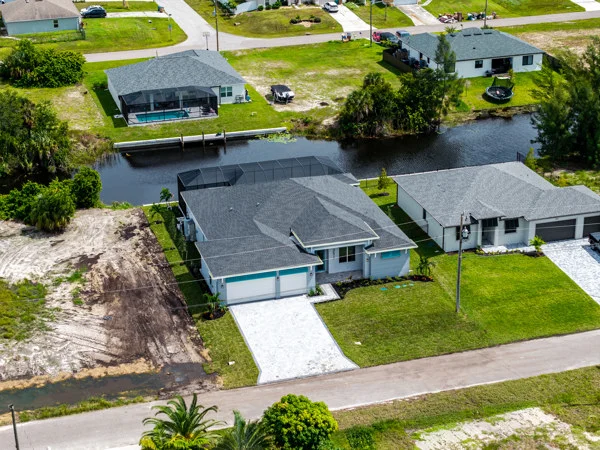
Waterfront properties are among the attractive options for buyers interested in building a custom home in Cape Coral. However, purchasing a canal-front lot requires additional inspection, especially when the property already has a seawall.
A seawall helps retain soil along the waterfront and protect the shoreline. Its condition can affect site stability, future maintenance, and construction expenses.
If the property already has a seawall, arrange an inspection with a qualified marine contractor or marine engineer before closing.
Look for potential warning signs such as:
-
Cracks or deterioration in the concrete seawall cap.
-
Rust stains that may indicate corroding reinforcement.
-
Separation between seawall panels.
-
Soil erosion or sinkholes behind the wall.
-
Soft or unstable ground near the waterfront.
-
Evidence of previous repairs or structural movement.
Ask the seller when the seawall was installed and whether any maintenance or repairs have been completed.
If the lot does not have a seawall, investigate the installation requirements and estimated costs before purchasing. You should also confirm the applicable city requirements for waterfront development.
At Conquest Builders Corp., we recognize that waterfront conditions need to be considered during the early planning stages of a custom home project. Addressing these details before construction begins can help prevent unexpected challenges.
3. Evaluate the Land, Fill and Drainage Conditions
A vacant lot may look ready for construction, but its existing ground conditions can tell a different story.
Some properties in Cape Coral require additional fill dirt to reach the elevation needed for the proposed home. The amount of fill depends on existing ground levels, drainage, flood requirements, and the planned building design.
Before purchasing land, investigate:
-
Existing ground elevation.
-
Drainage patterns after rainfall.
-
Signs of standing water.
-
Soil conditions and stability.
-
Previous filling or grading work.
-
Estimated fill requirements.
A lot that sits lower than neighboring properties may require additional preparation. Poor drainage can also create challenges during construction and affect the property’s long-term performance.
Depending on the property, a professional site evaluation or geotechnical investigation may be recommended to understand the soil conditions.
Builder’s Insight: Include grading, fill dirt, compaction, and drainage improvements in your initial construction budget. These costs are easier to plan for before purchasing land than after construction begins.
4. Understand Zoning, Setbacks and Buildable Area
Not every vacant lot can accommodate the home you have in mind.
Before buying land in Florida, investigate the property’s zoning classification and applicable development restrictions. These regulations determine what type of residential construction is permitted and how much of the property can be used.
Here are some important considerations:
Front, Side and Rear Setbacks
Setbacks establish the minimum distance a building must maintain from property boundaries. They affect where your house, garage, swimming pool, and other structures can be placed.
Lot Coverage
Lot coverage determines how much of the property can be occupied by buildings and other covered structures under applicable zoning regulations.
Building Height
Local development standards may limit the maximum height of residential structures.
Easements
Utility, drainage, and access easements can restrict construction in certain areas of the property.
Deed Restrictions and HOA Requirements
Some properties have additional restrictions covering architectural design, building materials, exterior appearance, and construction standards.
Waterfront properties may also have additional considerations involving seawall locations, canal setbacks, docks, and other improvements.
After accounting for setbacks, easements, and other restrictions, you can establish the property’s buildable area.
This is particularly important when buying land in Florida to build a house because the available building space determines which floor plans and home designs are practical.
Our recommendation is to have a surveyor and qualified building professional review the property before finalizing your construction plans.
At Conquest Builders Corp., we consider the available building area an important part of early project planning because the right lot should support both your design preferences and construction requirements.
5. Verify Water, Sewer and Electricity Availability
Utility access is another important consideration when purchasing land in Florida.
A real estate listing may advertise utilities as available, but that does not necessarily mean connections are already installed or that connecting the property will be inexpensive.
Before purchasing a property, confirm the availability and connection requirements for the following services:
Water Supply
Determine whether public water service is available or whether a private well is required.
Sewer System
Confirm whether the property can connect to public sewer or requires an approved septic system.
Electricity
Check the location of existing power infrastructure and the estimated cost of connecting the property.
Irrigation
Determine whether an irrigation connection is available and whether additional fees apply.
In Cape Coral, utility availability and connection requirements can vary by neighborhood and individual parcel.
The city provides water, sewer, and irrigation services in areas where its infrastructure is available. However, some properties may still depend on private wells and septic systems.
You should also investigate outstanding utility assessments.
A utility assessment is a charge associated with infrastructure improvements, such as extending water or sewer lines. Depending on the property’s payment status and applicable requirements, outstanding assessments may become the responsibility of the new owner.
Before closing, contact the relevant utility provider or the City of Cape Coral to confirm:
-
Which utilities are available at the property.
-
Whether connection infrastructure is already installed.
-
Whether connection or impact fees apply.
-
Whether outstanding assessments remain unpaid.
Getting written confirmation can help you avoid unexpected expenses during construction.
6. Understand Canal Types and Waterfront Access
Cape Coral is known for its extensive canal system, but not every waterfront property offers the same benefits.
If boating is important to your lifestyle, investigate the type of canal connected to the property before purchasing.
Gulf-Access Canals
Some canals connect to the Caloosahatchee River and provide routes toward the Gulf of Mexico. These properties can appeal to homeowners who want boating access.
However, the distance to open water, bridge clearances, navigation restrictions, and boating conditions should all be considered.
Freshwater Canals
Freshwater canals are generally part of Cape Coral’s freshwater canal and stormwater management system. They offer waterfront views and recreational opportunities but do not provide direct boating access to the Gulf.
Waterfront Property Considerations
Before purchasing a canal-front lot, investigate:
-
Canal classification and connectivity.
-
Seawall condition and maintenance requirements.
-
Water depth and navigation conditions.
-
Bridge height restrictions.
-
Flood zone and property elevation.
-
Applicable dock and boat-lift regulations.
You should also consider whether the shoreline contains mangroves or other protected vegetation. Florida regulations restrict the removal and alteration of certain protected coastal vegetation.
Understanding these factors can help you select a waterfront property that matches your lifestyle and future home design.
7. Review Property Surveys, Title and Legal Documents
Buying land in Florida requires careful attention to property ownership records and legal documentation.
Before signing a purchase agreement or completing the transaction, make sure the relevant documents are reviewed by qualified professionals.
Three important documents deserve particular attention.
Property Survey
A property survey identifies boundaries, dimensions, improvements, and certain visible encroachments or easements. It helps establish the land you are purchasing.
Recorded Plat
A recorded plat is a map filed with the county that identifies the subdivision layout, individual lots, streets, and certain easements or restrictions.
Title Commitment
A title commitment identifies ownership information and matters that may affect the property’s title, including liens, easements, and other recorded interests.
You should also investigate:
-
Legal access to the property.
-
Current zoning classification.
-
Deed restrictions.
-
Outstanding property taxes.
-
Unpaid utility assessments.
-
Existing liens or title issues.
-
Applicable homeowners association requirements.
For properties in Cape Coral, confirm zoning and development requirements with the appropriate city department.
Do not rely solely on the property listing or information provided by the seller. Have a qualified title professional, real estate attorney, and surveyor review the relevant documentation.
A property that looks suitable on paper may have restrictions that affect your construction plans.
8. Estimate Land Clearing and Site Preparation Costs
Another important step when buying vacant land in Florida is understanding the cost of preparing the property for construction.
Some vacant lots are covered with trees, brush, vegetation, or construction debris. Others may require grading, drainage improvements, or additional site preparation.
Common preparation expenses include:
-
Tree and brush removal.
-
Debris removal.
-
Land clearing.
-
Grading and leveling.
-
Fill dirt and compaction.
-
Drainage improvements.
-
Soil testing and site evaluation.
The total cost depends on the property’s size, existing vegetation, soil conditions, and construction requirements.
Certain trees and coastal vegetation may also be protected by local or state regulations. Always confirm what can legally be removed before arranging clearing work.
At Conquest Builders Corp., we believe site preparation should be considered during the early planning stages of a custom home project. Understanding the condition of the property helps establish more realistic construction expectations.
How to Buy Land and Build a House in Florida
Buying land is only the beginning of your custom home-building journey. Once you find a property, the next step is determining whether it can support the home you want to build.
If your goal is to buy land and build a house in Florida, involving a builder before closing can help you make a more informed decision.
A property may look ideal, but its flood zone, elevation, setbacks, utility connections, and site conditions can influence the design, construction requirements, and overall budget.
At Conquest Builders Corp., we work with homeowners throughout Southwest Florida on custom home construction projects. We understand that successful home building starts with proper planning and a clear understanding of the property.
During the early planning stages, several factors deserve attention:
Property Suitability: Determine whether the lot is appropriate for your proposed home design and construction goals.
Site Preparation:
Understand whether grading, fill dirt, clearing, or drainage improvements may be necessary.
Buildable Area:
Review setbacks, easements, and zoning restrictions to understand the available construction space.
Waterfront Conditions:
Evaluate seawalls, canal access, and other waterfront considerations.
Utility Connections:
Confirm the availability and potential costs of water, sewer, electricity, and irrigation.
Construction Planning:
Consider how the property’s conditions may influence the home’s design, foundation, and construction budget.
The property inspection period is an ideal time to involve a builder because you still have an opportunity to investigate potential issues before completing the purchase.
Our goal is to help homeowners approach their custom home projects with a better understanding of the property and the decisions that come before construction.
If you are considering building a custom home in Cape Coral or another Southwest Florida community, start by making sure the land is right for your plans.
Frequently Asked Questions About Buying Land in Florida
What should I know before buying land in Florida?
Before purchasing land, investigate its flood zone, elevation, zoning, setbacks, utility availability, drainage, and legal access. If the property is waterfront, inspect the seawall and understand the canal classification. You should also review the property survey, title commitment, and any outstanding assessments.
Can I build my own home in Florida?
Yes. Florida allows individuals to build their own homes under applicable owner-builder exemptions and requirements. However, owner-builders must meet specific eligibility conditions and assume responsibility for applicable permits, building codes, inspections, and construction compliance. Contact the local building department before starting construction.
Can I buy land and build a house in Florida?
Yes. You can purchase vacant land and build a custom home, provided the property meets applicable zoning, building, environmental, and permitting requirements. Consulting a qualified builder during the inspection period can help you understand potential construction costs before closing.
Is buying land in Florida a good investment?
Buying land in Florida can be a worthwhile long-term investment, but its potential depends on location, development opportunities, infrastructure, flood risk, and market conditions.
A property with suitable zoning, good access, available utilities, and manageable site preparation requirements may offer better development opportunities than a lot with significant restrictions or hidden costs.
Always evaluate the total purchase and development expenses before investing.
Where is the best place to buy land in Florida?
The best location depends on your budget, lifestyle, and construction goals.
Cape Coral is popular for waterfront properties, residential neighborhoods, and custom home construction. Other Southwest Florida communities also offer different opportunities depending on property prices, infrastructure, and proximity to amenities.
Compare locations based on land suitability, zoning, utilities, flood risk, and future development plans before making a decision.
Can I build on any vacant lot in Cape Coral?
No. Not every vacant lot is automatically suitable for residential construction. Zoning, minimum lot dimensions, setbacks, easements, flood requirements, environmental restrictions, and utility availability can all affect development potential.
Check the specific parcel with the City of Cape Coral before purchasing.
Do I need a seawall for a canal-front lot in Cape Coral?
Seawall requirements depend on the property’s location, waterfront conditions, and applicable city regulations. Many canal-front residential properties require an approved seawall as part of the development process.
Confirm the requirements with the City of Cape Coral before purchasing. If a seawall already exists, arrange a professional inspection to evaluate its condition.
How do I check the flood zone for land in Cape Coral?
You can use the FEMA Flood Map Service Center to look up a property’s flood zone. You should also consult the City of Cape Coral’s flood information resources to review local floodplain information and applicable requirements.
An elevation certificate, when available, can provide additional information about the property’s elevation.
What are utility assessments in Cape Coral?
Utility assessments are charges associated with infrastructure improvements, including water, sewer, and irrigation systems.
Some properties may have outstanding assessments that need to be paid over time or before certain transactions or connections. Contact the City of Cape Coral to verify the property’s assessment balance and payment status.
Can I build on a freshwater canal lot in Cape Coral?
Yes. A freshwater canal lot may be suitable for residential construction if it meets applicable zoning, building, environmental, and permitting requirements.
Freshwater canals offer waterfront views but do not provide direct access to the Gulf of Mexico. Before purchasing, investigate the property’s elevation, seawall requirements, drainage, and utility availability.
Planning to Build a Custom Home in Cape Coral?
Choosing the right property is one of the most important decisions in the custom home-building process.
Before purchasing land, take the time to understand its condition, development restrictions, utility connections, and potential construction costs. Proper planning can help you avoid unexpected challenges and choose a property that supports your long-term goals.
At Conquest Builders Corp., we work with homeowners throughout Southwest Florida to bring custom home projects to life. From evaluating property considerations to planning a home around your vision, our team understands the importance of getting the process right from the beginning.
Whether you are exploring vacant land in Cape Coral or already own a property, we can help you take the next step toward your custom home project.
Ready to discuss your building plans?
Contact Conquest Builders Corp. to schedule a consultation.
Phone: +1 239-414-9678
Business Hours: Monday to Saturday, 9:00 AM to 5:00 PM
Florida Certified General Contractor License: CGC1533959