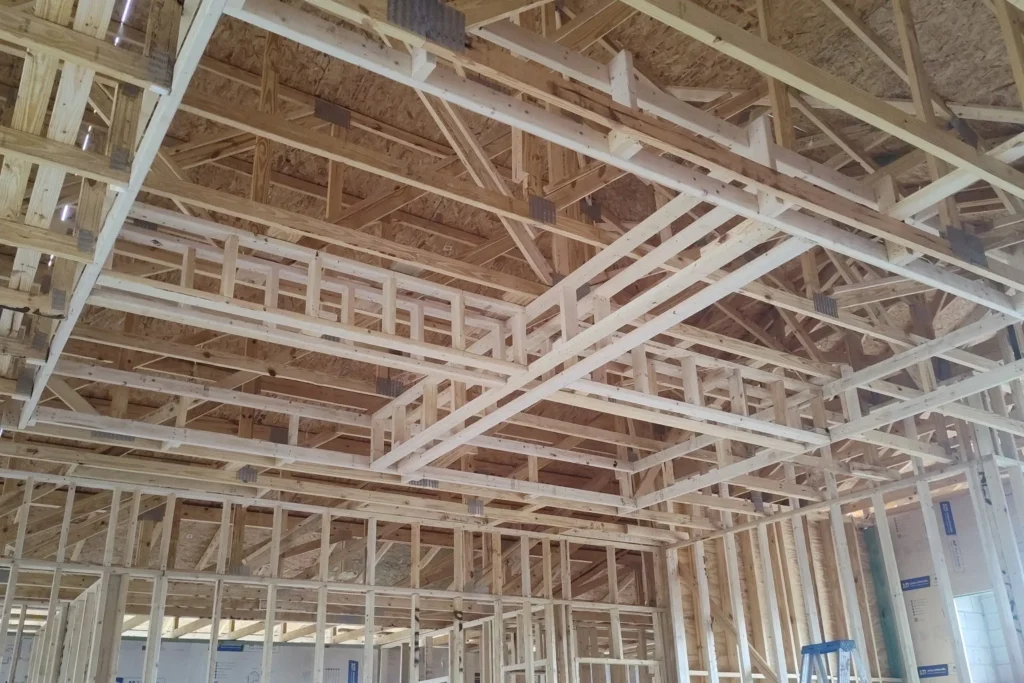
Most people walk into their home during framing and think, “This is awesome… it finally feels real.”
And it does.
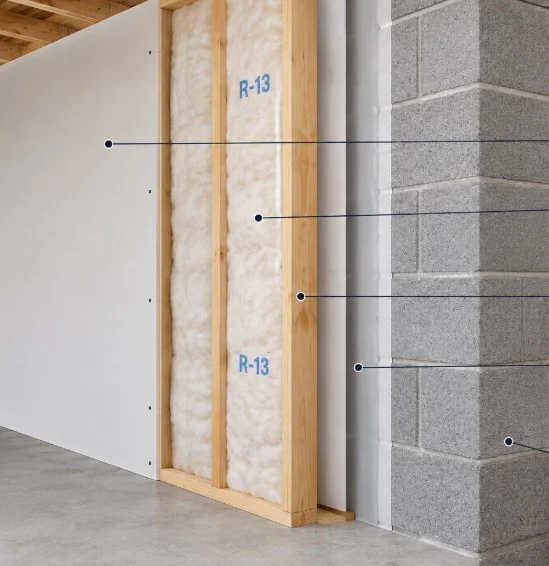
But what most homeowners don’t realize is this is one of the most important stages of the entire build—not because of how it looks, but because of what’s about to get covered up.
Once drywall goes in, everything becomes harder to change. Some things get expensive. And some things… you just end up living with.
That’s why we don’t rush this stage. We walk it with you.
Because this is where we make sure your home doesn’t just look good on paper—it actually works the way you want it to when you’re living in it.
The Layout Starts to Tell the Truth
At framing, you can finally feel the space. And this is usually where small things start to show up.
A doorway might feel tighter than expected. A door swing might interfere with a vanity or a wall. Sometimes trim casing ends up running into cabinets or countertops if it’s not planned properly. These aren’t big issues on a set of plans, but in real life, they matter.
We take time here to walk through how you’ll actually move through the home. The kitchen is a big one. Making sure there’s enough room around the island, that the refrigerator and pantry doors can open fully, and that nothing feels cramped once everything is installed.
Even something as simple as the garage entry door—if it swings the wrong way, it can throw off the entire flow of that space.
These are easy adjustments now. Later, not so much.
Bathrooms Are All About the Details
Bathrooms are one of the most used spaces in the home, and they’re also where the most regret tends to happen if things aren’t thought through early.
We look at things people don’t usually think about until it’s too late. Where the toilet paper holder goes. Where your towel bars and hooks should actually be based on how you’ll use the space. The height of your shower head—especially if you’re taller.
Shower niches are another big one. A lot of times they’re framed too small or placed in a spot that doesn’t line up well once tile goes in. We make sure they’re sized and positioned in a way that actually works and looks right.
If you’re considering upgrades like a rain head or a dual shower setup, this is the time to decide. Same with glass door swings—we don’t want anything hitting a toilet or vanity.
We also do things like install blocking behind the walls for future grab bars. You may never need them, but if you do, you’ll be glad it was done right from the beginning.
Electrical Should Match How You Actually Live
Most homes meet code when it comes to electrical. That doesn’t mean they’re designed well.
This is where we take it a step further.
We talk through where TVs will go and make sure they’re set up clean, with backing and hidden wiring so you’re not dealing with cords later. Bedrooms get outlets on both sides of the bed where you actually need them. Living rooms may get floor outlets if the layout calls for it.
Switches are placed where they make sense when you walk into a room—not just wherever they happen to land. We plan for things like under-cabinet lighting in the kitchen, additional exterior outlets, and garage setups that can handle tools, freezers, or even a future EV charger.
These are small decisions that make the home feel thought out.
The Kitchen Needs to Work—Not Just Look Good
Kitchens are one of the biggest investments in the house, and they need to function as well as they look.
At this stage, we’re making sure everything fits together properly. Cabinet layouts need to work with door openings and trim. Upper cabinet heights need to feel right, especially if you’re going to the ceiling. Appliance placement needs to be intentional.
The island is a big one. Not just how it looks, but how it works—how much overhang you have for seating, how people move around it, how it connects to the rest of the space.
We also talk through things like range hood options, pantry layout, and where everyday items like trash pullouts should go so they’re convenient but not in the way.
A well-designed kitchen feels effortless. That doesn’t happen by accident.
Bedrooms and Living Spaces Should Feel Natural
This is where we slow things down a little and think about how you’ll actually live in the home.
Where the bed will go. Whether the ceiling fan is centered over the room or over the bed where it should be. Whether there’s an opportunity for an accent wall or a design feature that makes the space feel more complete.
Closets are another area where a little planning goes a long way. Even if you’re not doing a full custom system right away, setting up the structure properly now makes it much easier later.
It’s not about overcomplicating things. It’s about getting the basics right so everything feels natural.
Thinking Ahead While It’s Still Easy
Some of the best decisions are the ones you make now for things you may want later.
Running wiring for an outdoor TV or kitchen. Planning for landscape lighting. Setting up for security cameras or a doorbell camera. Even something like a generator hookup or smart home system.
None of these things are difficult to plan for during framing. But once the house is closed up, they become much bigger projects.
Why We Take This Seriously
At this stage in the build, everything is still flexible.
That doesn’t last long.
Once drywall goes up, you lose access. And that’s when small oversights turn into real frustrations.
That’s why we take the time to walk this with you.
Because our goal isn’t just to build a home that looks good the day you move in. It’s to build one that still feels right years from now—where things are where they should be, spaces flow the way they should, and nothing feels like it was an afterthought.
That’s the difference between just building a house…
and building it the right way.